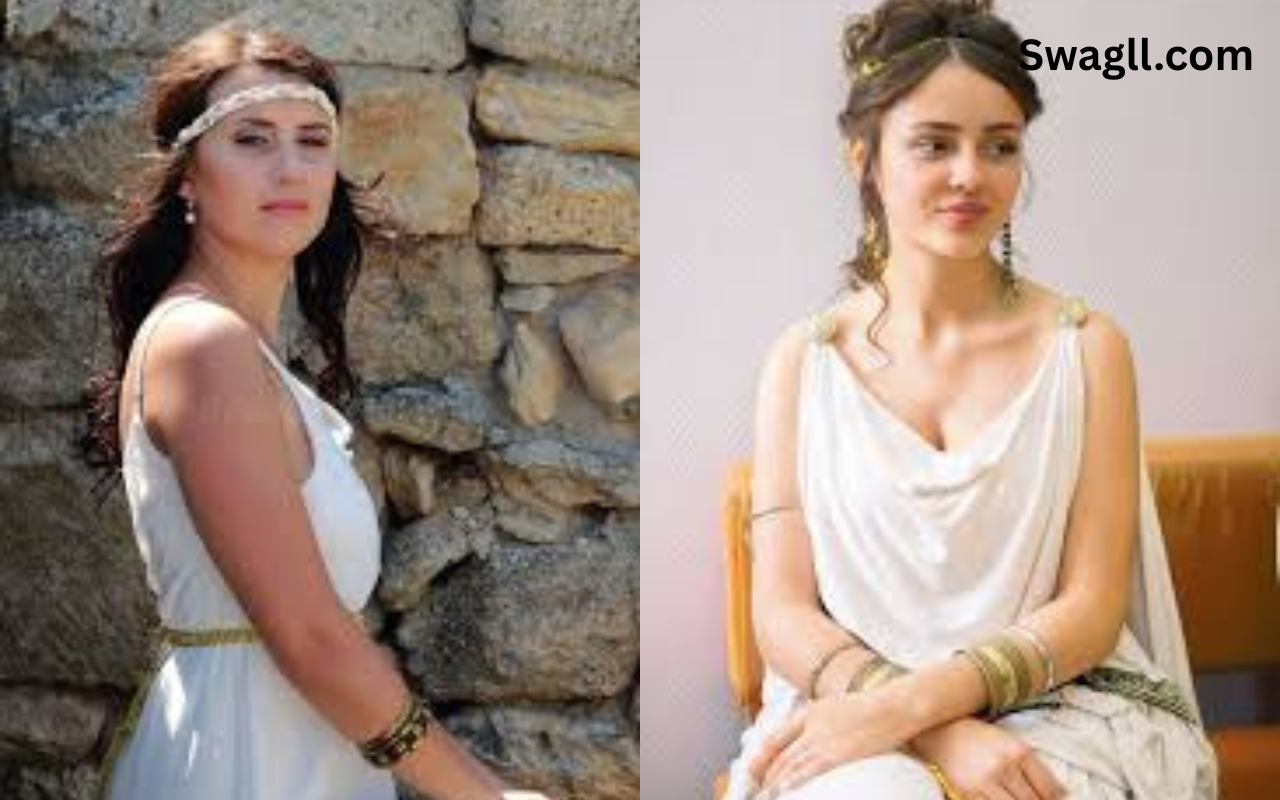
Greek women have long been admired for their strength, elegance, intelligence, and deep connection to family and tradition. From the legendary women of ancient mythology to the educated professionals, artists, politicians, entrepreneurs, and influencers of modern Greece, their story is one of transformation and endurance. Across thousands of years, Greek women have helped preserve one of the world’s oldest civilizations while continuously adapting to social, political, and economic change.
Table of Contents
ToggleTheir identity is shaped by a fascinating blend of tradition and modernity. In ancient Greece, women often lived under strict social structures, yet many still found ways to influence religion, family life, literature, and society. Over time, Greek women fought for education, political participation, financial independence, and equal opportunities. Today, they are visible in every major sector of society, including medicine, business, entertainment, technology, tourism, academics, and government.
What makes the story of Greek women especially inspiring is their ability to maintain cultural pride while embracing progress. Whether living in Athens, Thessaloniki, Crete, Santorini, or Greek communities abroad, women continue to carry forward traditions, values, language, cuisine, and social customs that define Greek identity. Their journey is not simply about women in one country—it is about resilience, cultural preservation, and the pursuit of opportunity across generations.
Quick Facts About Greek Women
| Fact | Details |
|---|---|
| Group Name | Greek Women |
| Country | Greece |
| Historical Roots | Ancient Greek Civilization |
| Main Language | Greek |
| Religion | Mostly Greek Orthodox Christianity |
| Traditional Values | Family, hospitality, education, culture |
| Modern Professions | Politics, medicine, arts, business, education, technology |
| Known For | Beauty, intelligence, resilience, cultural identity |
| Social Media Platforms | Instagram, TikTok, YouTube, LinkedIn, X |
| Major Industries | Tourism, healthcare, fashion, education, entrepreneurship |
| Important Historical Influence | Ancient Sparta, Greek Revolution, feminism movements |
| Famous Greek Women | Maria Callas, Melina Mercouri, Nana Mouskouri |
| Education Status | High university participation among women |
| Political Progress | Women gained voting rights in the 20th century |
| Cultural Importance | Preservation of Greek traditions and heritage |
The Historical Roots of Greek Women
The story of Greek women begins in one of the most influential civilizations in human history. Ancient Greece gave the world philosophy, democracy, literature, mathematics, architecture, and theater, but the role of women within that society was often complex and restrictive. Women in many Greek city-states were expected to focus mainly on family life, child-rearing, and household responsibilities. Their public participation was limited, especially in Athens, where social customs kept women away from politics and official decision-making.
However, not all Greek women lived under the same conditions. Spartan women were famously more independent than women in many other parts of ancient Greece. They received physical education, could own property, and often managed household finances while men participated in military life. Historians frequently describe Spartan women as among the most empowered women in the ancient Mediterranean world. Their confidence, physical strength, and education shocked visitors from other Greek regions who were used to more conservative female roles.
Religion also allowed some Greek women to hold respected positions. Priestesses served important roles in temples and sacred ceremonies connected to Greek gods and goddesses. Female figures in mythology such as Athena, Artemis, Hera, and Aphrodite symbolized wisdom, courage, beauty, strategy, and emotional power. These mythological representations influenced the way femininity was viewed in Greek culture for centuries. Even today, the image of the strong Greek woman remains connected to these ancient stories and traditions.
Greek Women and Family Traditions
Family has always stood at the center of Greek society, and women traditionally played the most important role in maintaining emotional unity within the household. Greek mothers and grandmothers became the guardians of tradition, preserving customs related to food, religion, celebrations, marriage, music, and social values. In both villages and cities, women helped create the strong family-centered culture for which Greece is famous around the world.
Greek women are widely known for their warmth, hospitality, and close relationships with relatives. Family gatherings remain deeply important in Greek culture, especially during Easter, weddings, baptisms, and religious festivals. Women often organize meals, maintain traditions, and pass cultural knowledge from one generation to another. Traditional Greek cooking itself became a powerful cultural legacy preserved mostly by women throughout history.
Even as modern life has changed family structures, many Greek women continue balancing career ambitions with strong family commitments. Respect for parents and grandparents remains highly valued in Greek communities. Younger women may pursue higher education, travel internationally, or build businesses, but many still maintain strong emotional connections to traditional Greek values and customs.
Important Traditional Values of Greek Women
- Strong family loyalty
- Respect for elders
- Preservation of cultural traditions
- Hospitality and generosity
- Deep community connections
These values continue shaping Greek society even in modern urban environments.
Education and the Rise of Modern Greek Women
One of the biggest turning points in the lives of Greek women was access to education. In earlier centuries, educational opportunities for girls were limited, especially in rural communities. Social expectations often encouraged women to focus primarily on domestic life rather than professional careers. However, reform movements during the 19th and 20th centuries gradually changed these attitudes and opened new possibilities for women.
Organizations such as the Society for Promoting Women’s Education helped expand educational opportunities for girls in Greece. Activists and educators believed that educating women would strengthen society and improve future generations. As schools for girls increased, more women entered universities and professional training programs. This educational progress became one of the foundations of women’s empowerment in modern Greece.
Today, Greek women are highly active in higher education and professional careers. They work as doctors, lawyers, teachers, scientists, journalists, engineers, researchers, and entrepreneurs. Universities in Greece now include large numbers of female students, reflecting major social transformation compared to earlier historical periods. Education gave Greek women greater independence, stronger public voices, and broader opportunities to influence society.
Major Educational Milestones
- Expansion of girls’ schools in the 19th century
- Entry of women into Greek universities
- Rise of female academics and researchers
- Increased participation in professional sectors
- Stronger focus on gender equality in education
The modern Greek woman is now often viewed as educated, globally connected, and professionally ambitious while still remaining deeply connected to cultural identity.
Greek Women in Politics and Social Reform
The political journey of Greek women was long and challenging. For centuries, women had little or no participation in official political systems. Even after Greece gained independence in the 19th century, women still lacked voting rights and legal equality. Social expectations often discouraged female leadership or public activism.
During the 20th century, feminist movements and women’s organizations began demanding political reforms and equal rights. The Greek League for Women’s Rights became one of the most influential organizations advocating for women’s suffrage, legal protections, and social equality. These movements played a major role in changing public attitudes toward women’s participation in politics and leadership.
Greek women eventually gained voting rights and began entering parliament, government institutions, and leadership positions. In modern Greece, women continue serving as politicians, judges, ministers, diplomats, and activists. The election of Katerina Sakellaropoulou as Greece’s first female president symbolized a major milestone in the country’s political history and demonstrated how far women’s representation has progressed.
Political Achievements of Greek Women
- Women gained voting rights in the 20th century
- Female representation increased in parliament
- Women entered legal and judicial leadership
- Female activists influenced social reforms
- Greece elected its first female president
Although gender equality challenges still exist, Greek women continue pushing for stronger representation, workplace fairness, and social justice.
Influence in Arts, Music, and Entertainment
Greek women have made remarkable contributions to the arts, entertainment, literature, and global culture. Some of the world’s most celebrated Greek figures have been women whose talent and creativity crossed international borders. Their success helped introduce Greek culture, music, and artistic identity to audiences worldwide.
One of the most iconic Greek women in history was Maria Callas, whose extraordinary opera performances made her one of the most famous singers of the 20th century. Melina Mercouri became internationally respected both as an actress and as a political figure who passionately defended Greek cultural heritage. Nana Mouskouri built an international music career that connected Greece to millions of fans across different countries and languages.
Modern Greek women continue shaping cinema, fashion, theater, television, social media, and digital entertainment. Many combine traditional Mediterranean beauty and cultural identity with global artistic influences. Contemporary creators often discuss themes such as identity, migration, family, feminism, and cultural preservation through their creative work.
Areas Where Greek Women Excel Creatively
- Opera and classical music
- Cinema and theater
- Fashion and modeling
- Literature and poetry
- Digital content creation
Their artistic achievements have helped keep Greek culture visible and respected across the international stage.
Career, Business, and Entrepreneurship
Modern Greek women are increasingly active in business, entrepreneurship, and professional leadership. Many women own successful companies connected to tourism, hospitality, education, wellness, beauty, fashion, technology, and online services. Their contribution to the Greek economy has grown steadily over recent decades.
Tourism is one of Greece’s largest industries, and women play a major role in hotels, restaurants, travel businesses, cultural tourism, and local artisan industries. On islands such as Santorini, Crete, Rhodes, and Mykonos, women often manage family businesses that welcome visitors from around the world. Their ability to combine hospitality with cultural authenticity has become a major part of the Greek tourism experience.
Economic difficulties in Greece also encouraged many women to become financially independent and innovative. Some launched online businesses, social media brands, remote consulting services, or international partnerships. Entrepreneurship became not only a source of income but also a symbol of resilience and adaptability during difficult economic periods.
Popular Career Fields Among Greek Women
- Tourism and hospitality
- Medicine and healthcare
- Fashion and beauty
- Education and research
- Digital marketing and content creation
The image of the modern Greek woman is now strongly connected to ambition, education, and entrepreneurial energy.
Personal Life, Lifestyle, and Cultural Identity
Greek women are often admired for balancing independence with strong emotional and cultural connections. Mediterranean lifestyle traditions continue influencing daily life through food, social gatherings, outdoor activities, religion, and close family relationships. Many women value emotional warmth, friendship, education, self-care, and cultural heritage.
The Mediterranean diet remains a major part of Greek lifestyle culture. Meals built around olive oil, seafood, vegetables, herbs, bread, and fresh ingredients are often connected to family traditions passed through generations of women. Cooking itself frequently becomes a symbol of care, hospitality, and family unity in Greek homes.
Religion also remains meaningful for many women, especially through Greek Orthodox traditions. Easter celebrations, religious ceremonies, and local festivals continue bringing communities together. At the same time, younger generations are increasingly globalized, digitally connected, and influenced by international fashion, travel, and social trends.
Social media has also transformed how Greek women present themselves to the world. Platforms such as Instagram, TikTok, and YouTube allow women to share fashion, travel, beauty, entrepreneurship, education, and cultural content with global audiences. Modern Greek influencers often combine traditional identity with modern lifestyle branding.
Challenges and Social Progress
Despite major progress, Greek women still face important social and economic challenges. Issues related to workplace equality, wage gaps, leadership representation, and gender stereotypes continue shaping discussions within Greek society. Women’s rights organizations remain active in pushing for reforms connected to safety, fairness, and equal opportunity.
Economic crises over the past decades created additional pressure for many families, especially women balancing work responsibilities with caregiving duties. Some women struggled with unemployment, financial insecurity, or limited career advancement opportunities. However, these difficulties also encouraged stronger activism and public discussion around women’s empowerment.
Modern feminist movements in Greece continue focusing on domestic violence prevention, workplace equality, education, mental health awareness, and social justice. Younger generations are especially vocal online, using digital platforms to raise awareness and support women’s rights campaigns. Public conversations around gender equality have become far more visible than in previous decades.
Ongoing Social Challenges
- Gender wage gaps
- Workplace discrimination
- Political underrepresentation
- Domestic violence concerns
- Balancing tradition with modern expectations
Even with these challenges, Greek women continue demonstrating resilience, adaptability, and determination in every area of society.
The Future of Greek Women
The future of Greek women appears increasingly dynamic, educated, and globally connected. Younger generations are entering universities in large numbers, building international careers, creating businesses, and participating more actively in politics and social leadership. Technology and digital communication have opened entirely new opportunities for networking, creativity, and entrepreneurship.
At the same time, cultural identity remains deeply important. Many women continue preserving language, traditions, food, religion, music, and family customs while also embracing innovation and global influence. This balance between heritage and modernity is one of the defining characteristics of modern Greek society.
The Greek diaspora also plays an important role in expanding the influence of Greek women internationally. Across countries such as the United States, Australia, Canada, Germany, and the United Kingdom, Greek women continue contributing to multicultural communities while maintaining strong connections to their roots.
Future Trends for Greek Women
- Greater political participation
- Growth in entrepreneurship
- Increased global influence
- Higher leadership representation
- Stronger digital presence worldwide
Their future reflects both pride in the past and confidence in the possibilities ahead.
Conclusion
The story of Greek women is a story of resilience, intelligence, culture, and transformation. From ancient civilizations and mythological legends to modern leadership and global influence, Greek women have continuously shaped history while preserving the traditions that define their identity. Their journey reflects centuries of adaptation, courage, and determination in the face of social limitations and changing times.
Today, Greek women stand as symbols of cultural pride and modern ambition. They contribute to politics, education, business, medicine, arts, tourism, technology, and social reform while continuing to honor family values and community traditions. Their influence extends far beyond Greece itself, inspiring people around the world through creativity, resilience, and leadership.
As Greek women continue building stronger futures for themselves and future generations, their story remains a powerful reminder that perseverance, education, and cultural identity can create lasting impact. Their legacy continues to inspire a world that values strength, dignity, compassion, and purpose.
