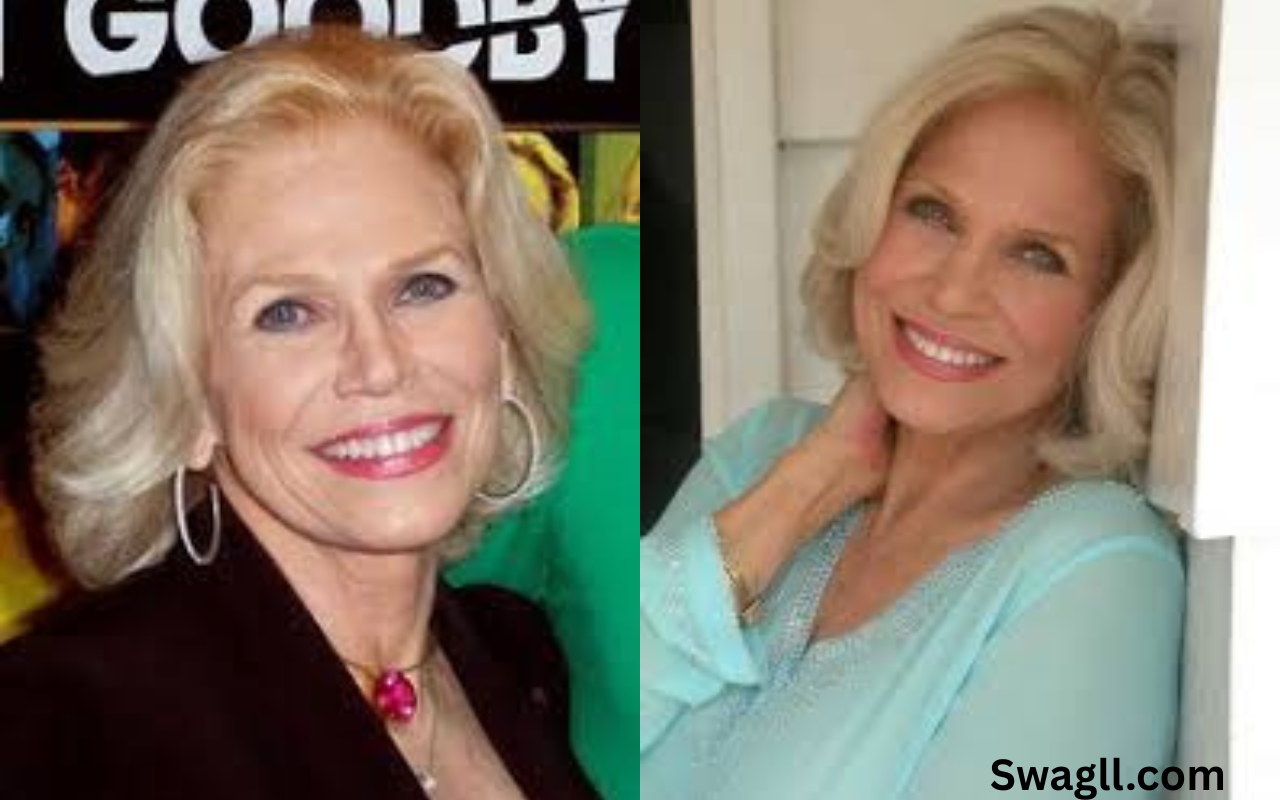
Hollywood has always been filled with stars who captured headlines, but only a select few earned lasting admiration through pure talent, professionalism, and authenticity. Margaret Blye belonged to that rare group. Best remembered for her unforgettable role in the classic British crime film The Italian Job, Blye built a respected acting career that stretched across several decades of television and cinema. She may not have chased celebrity culture or scandal-driven fame, but her performances carried emotional depth, intelligence, and elegance that audiences still appreciate today.
Table of Contents
ToggleWhat made Margaret Blye unique was her ability to adapt during one of the most transformative periods in entertainment history. From classic Westerns and dramatic films to television thrillers and mystery series, she moved naturally between genres while maintaining a believable screen presence. Directors valued her versatility, co-stars respected her dedication, and viewers connected with the sincerity she brought to every role. She represented the type of actress who quietly elevated every project she joined, even when she was not the main star.
Even years after her passing, Margaret Blye continues to attract attention from classic movie lovers and younger audiences discovering vintage Hollywood films for the first time. Her performances remain timeless because they were rooted in authenticity rather than temporary trends. Through hard work, adaptability, and artistic commitment, she created a meaningful legacy in the entertainment industry that still resonates today.
Margaret Blye Quick Facts
| Full Name | Margaret Jane Blye |
|---|---|
| Popular Name | Maggie Blye |
| Date of Birth | October 24, 1942 |
| Place of Birth | Houston, Texas, USA |
| Nationality | American |
| Profession | Actress |
| Years Active | 1961–2010 |
| Famous For | The Italian Job, Hombre, The Entity |
| Education | University of Texas, UCLA |
| Siblings | Judy Blye Wilson, Richard Blye |
| Marital Status | Kept Private |
| Estimated Net Worth | $1–3 Million |
| Date of Death | March 24, 2016 |
| Cause of Death | Cancer |
| Residence | West Hollywood, California |
| Social Media | No official accounts |
Early Life and Childhood of Margaret Blye
Margaret Jane Blye was born in Houston, Texas, during an era when traditional American values strongly shaped family life and personal ambition. Growing up in Texas during the 1940s and 1950s exposed her to a culture centered around discipline, respect, and independence. Although little public information exists about her parents, it is clear that her upbringing encouraged education and personal growth. Unlike many Hollywood personalities who were raised around the entertainment industry, Blye came from a more grounded environment, which likely contributed to her calm and professional personality later in life.
Her family played an important role in shaping her future. One of the most notable influences was her sister, Judy Blye Wilson, who later became a respected Hollywood casting director. Having a close family connection within the entertainment world gave Margaret some understanding of the film industry, but success still required immense dedication and talent. She was never handed instant fame. Instead, she earned her opportunities through persistence, auditions, and years of steady work.
Before becoming an actress, Margaret initially pursued business studies at the University of Texas. However, over time, her interests shifted toward acting and performing arts. She later attended UCLA, where she became actively involved in theater productions. One of the most important moments of her early life came when she performed in a university production of West Side Story. According to reports, her performance impressed a talent scout connected to 20th Century Fox. That opportunity opened the door to Hollywood and completely changed the direction of her life.
Discovering Acting and Entering Hollywood
Margaret Blye entered Hollywood during a fascinating period in cinema history. The traditional studio system was slowly changing, and audiences were becoming interested in more realistic storytelling and emotionally layered performances. This changing environment created opportunities for talented young actors who could bring authenticity to the screen. Blye fit perfectly into that evolving style of filmmaking because her acting felt natural rather than overly dramatic.
Like many aspiring actresses of the 1960s, she began her career with smaller television appearances and supporting roles. These early experiences allowed her to develop confidence in front of the camera while learning how the entertainment industry operated. She appeared in popular television shows including Perry Mason, Hazel, Ben Casey, and The Virginian. These projects helped her gain valuable experience while introducing her to producers and directors looking for dependable performers.
One of the reasons Margaret Blye steadily advanced in Hollywood was her professionalism. Unlike celebrities who relied heavily on media attention, she focused almost entirely on improving her craft. Directors appreciated her reliability and emotional intelligence, while audiences enjoyed the sincerity she brought to each role. During these early years, she slowly built a reputation as a talented actress capable of handling drama, comedy, suspense, and emotional storytelling with equal skill.
Breakthrough Success in Film
Margaret Blye’s career gained major momentum during the late 1960s when she began appearing in larger Hollywood productions. One of her important early film roles came in the Western drama Hombre (1967), starring Paul Newman. The film received strong critical attention and introduced Blye to a wider audience. Working alongside an established actor like Newman gave her valuable exposure and confirmed her ability to perform in serious dramatic roles.
The same year, she appeared in Waterhole No. 3 with James Coburn. These performances helped establish her reputation as a versatile actress who could adapt to different genres. At a time when many actresses were limited to narrow stereotypes, Blye demonstrated emotional range and intelligence in her performances. Hollywood producers increasingly saw her as a dependable performer capable of elevating both comedic and dramatic scenes.
Her biggest breakthrough arrived in 1969 with the release of The Italian Job. In the legendary British crime comedy starring Michael Caine, Margaret Blye played Lorna, a memorable character connected to the film’s central heist storyline. The movie became one of the most iconic caper films ever made and remains a cult classic decades later. Even today, many fans remember Blye for her charm and screen presence in the film. The Italian Job became a defining moment in her career and secured her place in classic cinema history.
Television Career and Expanding Her Reputation
Although Margaret Blye achieved success in films, television also became a major part of her professional journey. During the 1970s and 1980s, television was rapidly evolving and offered actors more opportunities to explore different characters and storytelling styles. Blye embraced this shift and built an impressive television resume that showcased her adaptability.
She appeared in a wide variety of television programs including Gunsmoke, Hart to Hart, The Rockford Files, Hunter, In the Heat of the Night, and Lois & Clark: The New Adventures of Superman. These roles allowed her to move comfortably between crime dramas, mystery series, family entertainment, and Westerns. Her ability to fit naturally into different genres made her highly respected among television producers and casting directors.
One of the strongest aspects of Blye’s television career was consistency. Even when she appeared in supporting roles or guest appearances, she brought emotional realism that made her performances memorable. Many actors struggle to transition successfully between film and television, but Margaret Blye handled both worlds with ease. This flexibility allowed her to maintain a long-lasting career in an industry known for unpredictability and constant competition.
Challenges and Career Changes in Hollywood
Like many actresses of her generation, Margaret Blye eventually faced the difficult realities of aging in Hollywood. During the late 1970s, casting trends began changing rapidly, especially for women. Roles that once focused on romance and youthful beauty shifted toward maternal or supporting characters. Blye openly discussed this challenge in comments later referenced by entertainment publications. She explained that within just a few years, she transitioned from playing daughters to playing mothers.
Despite these challenges, Margaret Blye refused to disappear from the industry. Instead of focusing on lost opportunities, she adapted and continued building her career. This ability to evolve became one of her greatest strengths. She accepted more mature roles and continued appearing in films and television projects throughout the 1980s, 1990s, and early 2000s.
Some of her later projects included The Entity (1982), a supernatural horror film starring Barbara Hershey, as well as movies like Little Darlings, Mischief, Kidco, and The Gingerdead Man. These roles demonstrated her willingness to experiment with different genres and continue working regardless of Hollywood trends. Her long career proved that professionalism and adaptability could create longevity even in a highly competitive industry.
Personal Life, Personality, and Interests
Margaret Blye remained remarkably private throughout her life. Unlike many Hollywood celebrities who constantly appeared in tabloids and entertainment gossip columns, she preferred keeping her personal relationships and daily life away from public attention. This privacy contributed to her reputation as a grounded and thoughtful actress who valued professionalism more than fame.
Friends and colleagues often described her as intelligent, warm, and deeply committed to acting as an art form. She was known for being respectful on set and dedicated to delivering believable performances rather than chasing publicity. Her involvement with the Academy of Motion Picture Arts and Sciences further reflected her love for cinema. She served for many years on the organization’s Foreign Language Film Award Screening Committee, showing a genuine appreciation for international filmmaking and storytelling.
Outside the entertainment industry, Blye reportedly enjoyed literature, films, and quieter social circles. She represented a generation of performers who valued dignity and artistic integrity. Even though much of her personal life remained private, her professionalism and calm personality left a lasting impression on people who worked with her throughout her career.
Awards, Recognition, and Industry Respect
Margaret Blye may not have collected major Academy Awards or blockbuster fame, but she earned something equally valuable: long-term respect within Hollywood. Many actors enjoy brief moments of popularity before fading away, but Blye maintained a career that lasted nearly five decades. That type of longevity reflects skill, discipline, and reliability.
Her performances in films like The Italian Job and Hombre remain widely appreciated among classic film audiences. Over the years, movie historians and entertainment critics have increasingly recognized her contribution to vintage Hollywood cinema. Fans continue discussing her performances on film forums, streaming platforms, and classic movie communities, proving that her work still resonates with audiences today.
Another important aspect of her recognition came through her membership and active participation in the Academy of Motion Picture Arts and Sciences. Being trusted with responsibilities related to foreign-language film screenings demonstrated the level of respect she earned within the film industry. She may have avoided celebrity headlines, but her professional reputation remained strong throughout her life.
Margaret Blye’s Net Worth and Income Sources
Margaret Blye built a financially stable career through decades of acting work across film and television. Although exact figures were never publicly confirmed, entertainment estimates place her net worth somewhere between $1 million and $3 million at the time of her death. Her earnings came primarily from acting contracts, television appearances, film roles, and residual income from projects that continued airing over the years.
Unlike modern celebrities who earn millions through social media sponsorships, online branding, and influencer marketing, Blye belonged to an earlier generation of performers. Her financial success depended largely on steady acting opportunities and professional consistency. She built her career gradually rather than through overnight fame or publicity-driven popularity.
What makes her financial story admirable is the fact that she sustained a long career without relying on controversy or media attention. Her success reflected dedication, professionalism, and genuine acting ability. Even though she never became one of Hollywood’s wealthiest stars, she achieved a comfortable and respected position within the entertainment world.
Social Media Presence and Lasting Popularity
Because Margaret Blye passed away before social media became central to celebrity culture, she never operated official Instagram, Twitter, or LinkedIn accounts. However, her legacy continues online through fan pages, movie discussion forums, entertainment websites, and classic cinema communities.
Streaming services and online film platforms have introduced her work to younger generations who may never have heard of her during her lifetime. Many modern viewers discover Margaret Blye through classic films like The Italian Job and become curious about her wider filmography. This ongoing rediscovery keeps her legacy alive years after her passing.
Her enduring popularity demonstrates something important about timeless acting: genuine performances never become outdated. While entertainment trends constantly change, audiences continue appreciating actors who bring honesty and emotional realism to their roles. Margaret Blye’s work still feels authentic today because she focused on character and storytelling rather than celebrity image.
Final Years and Death
In her later years, Margaret Blye lived a quieter life in California while remaining connected to the entertainment industry. Sadly, she battled cancer for approximately two years before passing away on March 24, 2016, at her home in West Hollywood. Reports stated that she was surrounded by close family members during her final days, including her sister Judy Blye Wilson.
Her death marked the loss of another talented figure from Hollywood’s classic era. Entertainment publications including Variety and The Hollywood Reporter published tributes highlighting her career achievements and memorable performances. Fans also shared emotional memories online, particularly praising her work in The Italian Job, Little Darlings, and other beloved productions.
Following her passing, renewed interest in her films introduced new audiences to her work. Movie lovers revisited her performances and recognized the subtle talent that had made her such a respected actress for decades. Even after her death, Margaret Blye’s contribution to cinema continues to inspire appreciation among classic film enthusiasts worldwide.
Margaret Blye’s Legacy and Influence on Hollywood
Margaret Blye’s story is ultimately one of resilience, professionalism, and quiet excellence. She built a career based on authentic acting rather than scandal, publicity, or celebrity trends. In an industry often dominated by temporary fame, she created something far more meaningful: respect that lasted across generations.
Her performances continue attracting audiences because they feel sincere and emotionally grounded. Whether appearing in Westerns, crime films, horror movies, or television dramas, Blye consistently brought humanity and intelligence to her characters. She proved that an actor does not need constant headlines to leave a lasting impact on cinema history.
As Margaret Blye’s work continues inspiring classic movie lovers and aspiring performers, her life stands as a reminder that perseverance, adaptability, and artistic integrity can shape a meaningful legacy. Her journey encourages readers to value dedication over fame, passion over publicity, and authenticity over superficial success. Through decades of memorable performances, Margaret Blye quietly carved out a place in Hollywood history that will continue to endure for years to come.
