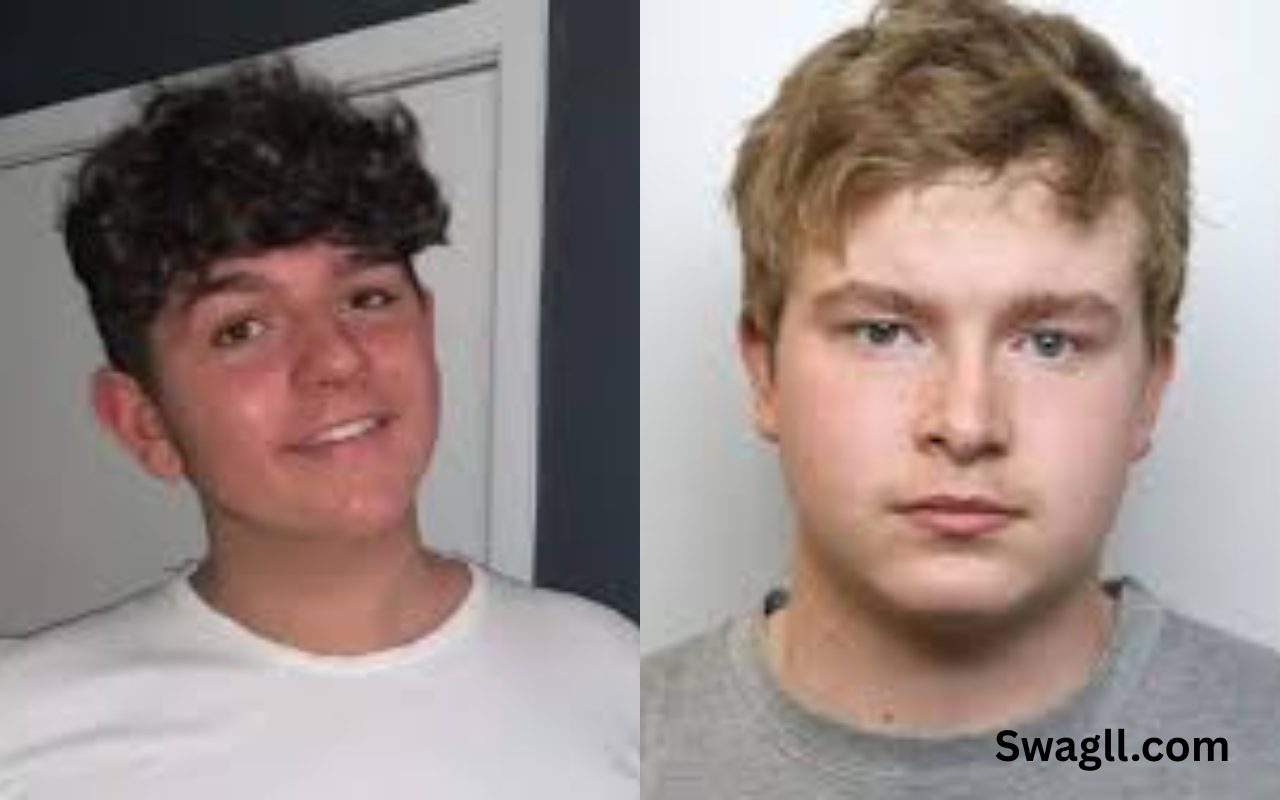
The story of Alex Rodda is one of the most emotional and disturbing cases to emerge in the United Kingdom in recent years. Although Alex was not a celebrity or public figure during his lifetime, his tragic death shocked the nation and sparked widespread conversations about social media, online grooming, teenage vulnerability, and emotional manipulation. Behind the headlines and court reports was a real young boy with dreams, emotions, friendships, and a future that should have stretched far ahead of him.
Table of Contents
ToggleAlex Rodda was remembered by family and friends as a caring, fun-loving, and respectful teenager who enjoyed life and connected easily with people around him. Like many teenagers growing up in the digital age, he used social media platforms to communicate with others, build friendships, and express himself. Unfortunately, those same online interactions eventually placed him in a dangerous situation that ended in tragedy. His story later became a major example used in discussions about internet safety and child protection.
Years after his death, Alex’s case continues to appear in documentaries, news reports, and public awareness campaigns. Many people see his story as more than a criminal case. It is now viewed as a warning about the hidden dangers that can exist behind private online messages and secret relationships. At the same time, Alex’s memory lives on through the love of his family and the growing awareness his story has created around protecting vulnerable young people in modern society.
Quick Facts About Alex Rodda
| Full Name | Alex Rodda |
|---|---|
| Known As | Alex Rodda |
| Nationality | British |
| Birthplace | Cheshire, England |
| Age at Death | 15 years old |
| Profession | Student |
| Famous For | Victim in a nationally known UK murder case |
| Parents | Lisa Rodda and Adam Rodda |
| Siblings | Not publicly confirmed |
| School | Holmes Chapel Comprehensive School |
| Ethnicity | White British |
| Religion | Not publicly disclosed |
| Relationship Status | Private |
| Net Worth | Not applicable |
| Social Media | Instagram and Snapchat reportedly used privately |
| Legacy | Online safety awareness and child protection discussions |
Early Life and Childhood
Alex Rodda was born and raised in Cheshire, England, where he spent most of his young life surrounded by family, friends, and his local community. Those who knew him described him as a bright and sociable teenager with a warm personality. He reportedly had a natural ability to make friends and enjoyed spending time with people who appreciated his humor and kind-hearted nature. Unlike many public figures whose lives are heavily documented, Alex lived a normal teenage life away from media attention until tragedy brought his name into national headlines.
Growing up, Alex experienced the same modern teenage environment many young people face today. Social media, messaging apps, and online friendships played a major role in how teenagers communicated and explored relationships. Family members later explained that Alex was expressive, emotional, and trusting. These qualities made him well-liked among friends, but they also left him vulnerable to manipulation by older individuals who took advantage of his innocence and emotional openness.
His family remembered him as someone who loved life and embraced his identity with confidence. Friends described him as caring, respectful, and full of personality. Even after the tragedy, loved ones consistently emphasized that Alex should be remembered for the joy he brought into people’s lives rather than simply being known as the victim of a horrific crime. That human side of his story continues to resonate strongly with readers and viewers who learn about him today.
Family Background and Support System
Alex Rodda came from a family that deeply loved and cared for him. Throughout court proceedings and public statements, his parents spoke emotionally about the devastating loss they experienced after his death. His mother, Lisa Rodda, and father, Adam Rodda, became important voices in preserving his memory and reminding the public that Alex was far more than a tragic headline. They described him as a “wonderful, gentle, loving boy” whose future was cruelly taken away.
The Rodda family endured enormous pain during the investigation and trial. Media coverage revealed the emotional trauma they faced while hearing disturbing details about the relationship that eventually led to Alex’s murder. Despite their grief, the family continued speaking publicly about Alex with love, dignity, and compassion. Their words helped many people understand the emotional cost such crimes have on families and communities.
Family support had always been important in Alex’s life. Like many parents, his family attempted to guide and protect him while he navigated adolescence and online communication. However, the rapid rise of private messaging apps and social media platforms created challenges that many families struggle to fully understand. Alex’s case later highlighted the growing difficulty parents face in monitoring hidden online relationships and emotional manipulation occurring behind screens.
Important Lessons Highlighted by the Family
- Open communication with teenagers matters deeply
- Online relationships should never remain completely secret
- Emotional manipulation can happen very quickly online
Education and School Life
Alex attended Holmes Chapel Comprehensive School in Cheshire, where he was known among classmates and teachers as approachable and friendly. School life represented an important part of his identity because he was still in the middle of discovering who he wanted to become. Like many teenagers, he balanced friendships, education, personal identity, and emotional growth while trying to navigate the pressures of adolescence.
Friends reportedly saw Alex as energetic and social. He enjoyed interacting with others and was comfortable expressing himself. School environments often become central places where teenagers develop confidence, build relationships, and explore emotional connections. For Alex, these experiences were closely linked with his increasing use of social media and digital communication.
One heartbreaking aspect of Alex’s story is how ordinary his life initially appeared. There were no signs suggesting his name would later become associated with one of the UK’s most disturbing teenage murder cases. He represented countless teenagers living ordinary lives while secretly facing emotional pressures and online influences invisible to the adults around them. His story later encouraged schools and educators to increase discussions around internet safety, online grooming, consent, and healthy communication.
Social Media and Teenage Vulnerability
Social media played a major role in Alex Rodda’s life, just as it does for millions of teenagers worldwide. Platforms like Instagram, Snapchat, and Facebook allowed young people to communicate instantly, form friendships, and maintain private conversations. For teenagers, these platforms often feel natural, exciting, and emotionally important. However, Alex’s case showed how online communication can also become dangerous when trust is exploited by manipulative individuals.
According to reports presented during the investigation and trial, Alex’s relationship with Matthew Mason developed through online communication before escalating into secret meetings and emotional conflict. Their conversations reportedly became increasingly personal and complicated over time. The case exposed how digital relationships can quickly move from harmless interaction to emotional dependency and manipulation.
Experts later pointed to Alex’s story while discussing the dangers of online grooming and hidden relationships among teenagers. Many awareness campaigns used the case to explain how vulnerable young people can become when searching for acceptance, affection, or emotional connection online. The tragedy reminded parents and educators that online activity should not be dismissed as harmless teenage behavior without understanding the emotional realities behind digital communication.
Risks Often Discussed After Alex’s Case
- Secret online relationships
- Emotional blackmail
- Grooming behavior
- Social media manipulation
- Isolation from trusted adults
Relationship With Matthew Mason
One of the most discussed aspects of the case involved Alex’s relationship with Matthew Mason, who was older and reportedly more emotionally experienced. Court proceedings revealed that the relationship involved online messaging, private meetings, and financial exchanges. Prosecutors argued that Mason groomed Alex and later attempted to control the situation through secrecy and manipulation.
The relationship reportedly became increasingly tense after Alex informed Mason’s girlfriend about their interactions. Court evidence showed that money transfers were made between Mason and Alex, with prosecutors arguing these payments were attempts to prevent the relationship from becoming public knowledge. Mason later claimed he felt pressured and fearful about exposure, though the jury ultimately rejected his defense arguments during the murder trial.
The emotional complexity of the relationship shocked many observers because it reflected issues affecting modern teenagers in online spaces. Experts later noted how secrecy, shame, fear, and emotional manipulation can create dangerous situations for vulnerable young people. Alex’s trusting personality and emotional openness reportedly made him especially vulnerable to being exploited by someone older and more controlling.
The Murder That Shocked Britain
In December 2019, Alex Rodda was murdered in woodland near Ashley, Cheshire. According to investigators, Matthew Mason lured Alex to a secluded location before attacking him with a wrench in a brutal and premeditated assault. The details presented during the trial horrified the British public and generated intense media attention across the country.
Evidence revealed that Mason had made disturbing internet searches before the murder, including searches involving poisons, missing persons, and violent scenarios. Prosecutors argued these searches demonstrated planning and intent. Alex suffered multiple blows during the attack, and his body was later discovered by refuse workers in woodland. The brutality of the crime deeply shocked investigators, journalists, and members of the public.
During the trial, Mason admitted killing Alex but denied murder, claiming he had lost control. However, jurors rejected that explanation and found him guilty of murder. He was later sentenced to life imprisonment with a minimum term of 28 years. For Alex’s family, the verdict brought some legal closure, but it could never undo the emotional devastation caused by losing their son in such horrific circumstances.
Public Reaction and Media Attention
The murder of Alex Rodda quickly became one of the most widely discussed criminal cases in the United Kingdom. News organizations covered every stage of the investigation, trial, and sentencing. Public reaction was emotional because many people saw Alex as an ordinary teenager whose vulnerability had been exploited in deeply disturbing ways. The case resonated strongly with parents, teachers, and young people across the country.
Media reports frequently focused on the role social media played in the relationship and eventual crime. Journalists explored how private messaging apps and hidden online interactions allowed emotional manipulation to develop away from public view. Several documentaries and television programs later revisited the case to educate viewers about grooming, coercion, and digital safety.
The case also sparked broader discussions around masculinity, sexuality, emotional pressure, and online secrecy. Many experts emphasized the importance of creating supportive environments where teenagers feel safe discussing relationships and emotional struggles openly. Alex’s story became more than a crime case — it became a warning about the hidden dangers that can exist in modern digital communication.
Personal Personality and Character
Despite the tragedy surrounding his death, people close to Alex consistently described him as joyful, expressive, and caring. Family members remembered him as someone who loved life and enjoyed connecting with others. Friends reportedly appreciated his sense of humor, emotional honesty, and friendly personality. These memories became especially important because loved ones wanted the world to remember who Alex truly was beyond the headlines.
Alex appeared to be a teenager who valued connection and emotional closeness. Like many young people, he was still discovering his identity and learning about trust, relationships, and personal boundaries. His openness and trusting nature were repeatedly mentioned during media coverage of the case, highlighting how emotionally vulnerable teenagers can become when manipulated by older individuals.
People who followed the case often expressed sadness not only for the tragedy itself but for the future Alex never had the chance to experience. He was still at the beginning of life, with dreams, ambitions, and possibilities ahead of him. Remembering his personality helps restore humanity to a story that could otherwise be reduced only to crime statistics and court proceedings.
Net Worth and Lifestyle
Because Alex Rodda was a teenage student rather than a celebrity or public figure, there is no verified net worth connected to him. Some websites have attempted to create misleading financial estimates, but these claims are inaccurate and disrespectful to the nature of his story. Alex was not known for wealth, business ventures, or entertainment success.
Court proceedings did mention financial transfers between Matthew Mason and Alex as part of the prosecution’s evidence. Reports stated that Mason transferred thousands of pounds in attempts to keep the relationship secret. These financial exchanges became a significant part of the investigation and trial because prosecutors argued they reflected manipulation and fear of exposure.
In reality, Alex lived the ordinary life of a teenager in modern Britain. His daily routine likely revolved around school, friendships, social media, and spending time with family. The simplicity of his life made the tragedy even more heartbreaking because he represented so many young people living ordinary teenage lives while facing hidden emotional struggles.
Legacy and Lasting Impact
Even years after his death, Alex Rodda’s story continues to influence discussions around online safety and child protection. Documentaries, podcasts, and crime analysis programs frequently revisit the case because it highlights important lessons about grooming, secrecy, and emotional vulnerability in the digital age.
Schools, youth organizations, and online safety advocates often use Alex’s case as an example when educating teenagers and parents about responsible internet behavior. His story helped increase awareness around private messaging, emotional coercion, and the importance of open communication between young people and trusted adults. Many families reported becoming more cautious and attentive after learning about the case.
Alex’s legacy is ultimately about more than tragedy. It is about awareness, compassion, and the urgent need to protect vulnerable young people from manipulation and harm. His story continues encouraging conversations that may help prevent similar situations in the future. In that sense, Alex’s memory continues to make a meaningful impact on society.
Conclusion
Alex Rodda’s life was tragically short, but his story left a powerful impact on countless people across the United Kingdom and beyond. Behind every news headline was a real teenager filled with emotion, personality, dreams, and potential. He was remembered by loved ones as kind, caring, expressive, and full of life — qualities that deserve to define his memory far more than the violence that ended it.
The tragedy surrounding Alex’s death forced society to confront difficult truths about online grooming, digital secrecy, emotional manipulation, and teenage vulnerability. His case became a major reminder that social media and private online communication can carry serious emotional and psychological risks, especially for young people still learning about trust and relationships.
As Alex Rodda’s story continues to educate and influence future generations, it stands as a heartbreaking reminder of how important compassion, communication, and awareness truly are. His legacy encourages families, schools, and communities to protect vulnerable young people, create safe spaces for honest conversations, and never underestimate the importance of emotional support in a rapidly changing digital world.
