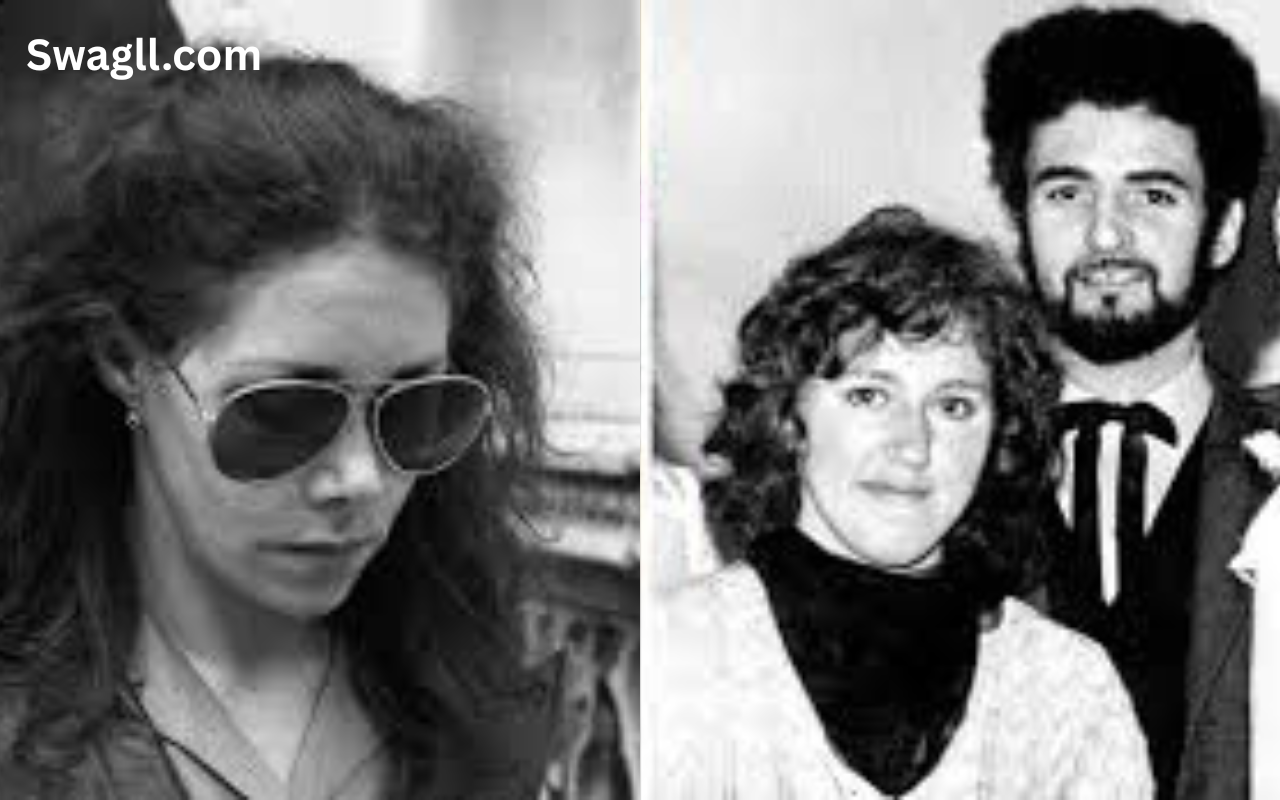
The name Sonia Sutcliffe has remained connected to one of the darkest criminal chapters in British history for more than four decades. While the world remembers Peter Sutcliffe as the infamous “Yorkshire Ripper,” far fewer people understand the complicated and emotionally painful life of the woman who stood beside him for years without realizing the horrifying truth hidden behind his quiet personality. Sonia’s story is not one of fame, glamour, or public admiration. Instead, it is a deeply human story filled with emotional struggle, heartbreak, resilience, and survival under unimaginable public pressure.
Table of Contents
ToggleFor many years, Sonia Sutcliffe became the focus of intense media fascination. People wanted to know how a woman could live with a serial killer without discovering his crimes. Newspapers, television programs, and documentaries repeatedly examined her marriage, personality, and reactions after Peter Sutcliffe’s arrest in 1981. Yet behind all the headlines was a private woman trying to cope with shock, mental health struggles, and a level of public scrutiny that very few people could ever understand.
Even today, Sonia remains one of the most mysterious figures connected to the Yorkshire Ripper case. She rarely spoke publicly, avoided celebrity attention, and chose a quiet life away from social media and public interviews. Her silence only increased public curiosity over the years. This detailed biography explores Sonia Sutcliffe’s early life, marriage, personal hardships, media controversies, and the lasting impact of a life forever shaped by tragedy and notoriety.
Sonia Sutcliffe Quick Facts
| Full Name | Sonia Sutcliffe (born Oksana Szurma) |
|---|---|
| Known As | Peter Sutcliffe’s Wife |
| Birth Date | August 10, 1950 |
| Age | 75 (as of 2026) |
| Birthplace | England |
| Nationality | British |
| Ethnicity | Ukrainian and Polish heritage |
| Profession | Former Teacher |
| Famous For | Marriage to Peter Sutcliffe |
| Marital Status | Divorced |
| Former Husband | Peter Sutcliffe |
| Current Husband | Michael Woodward |
| Children | None |
| Education | Teacher Training College |
| Mental Health History | Diagnosed with schizophrenia |
| Estimated Net Worth | Private / Undisclosed |
| Social Media Accounts | No public accounts |
Early Life and Family Background
Sonia Sutcliffe was born as Oksana Szurma in England in 1950 to parents who had Eastern European roots. Her family reportedly came from Ukrainian and Polish refugee backgrounds after the Second World War. Growing up in a family shaped by displacement and hardship likely influenced Sonia’s personality from an early age. Families who survived war often valued discipline, privacy, and emotional toughness, and these qualities would later become visible throughout Sonia’s adult life.
During her childhood and teenage years, Sonia was considered intelligent and determined. She focused heavily on education and hoped to build a professional career. Unlike many women of her generation who were expected to focus primarily on marriage and family life, Sonia reportedly had strong ambitions and wanted independence through work and study. She eventually pursued teacher training, showing an interest in education and stability.
However, her younger years were also marked by emotional and mental health struggles. Reports later revealed that Sonia had been diagnosed with schizophrenia while studying to become a teacher. In the 1970s, mental health conditions carried enormous social stigma, and treatment options were far more limited than they are today. Despite these challenges, Sonia continued her studies and tried to maintain a normal life. Her ability to keep moving forward despite emotional difficulties demonstrated resilience that would later become essential as her life entered the public spotlight.
Meeting Peter Sutcliffe and Falling in Love
Sonia first met Peter Sutcliffe on Valentine’s Day in 1967 at a pub in Bradford called the Royal Standard. At the time, Peter appeared to be an ordinary young working-class man. He was shy, quiet, and awkward rather than charismatic or threatening. Sonia was only sixteen years old when they began their relationship, and like many young couples, they dreamed of building a stable future together.
Friends who knew the couple during their early relationship often described them as relatively normal. Peter worked various jobs, including gravedigging and factory work, while Sonia concentrated on her education and career goals. To outsiders, they seemed like a hardworking Yorkshire couple trying to create a better life. Nobody around them suspected the darkness that would later emerge behind Peter’s calm personality.
The couple married on August 10, 1974, which was also Sonia’s birthday. Their marriage began with hope and optimism, but emotional pain soon followed. Sonia suffered multiple miscarriages during the early years of their relationship, and doctors eventually informed her that she would likely never have children. This heartbreaking news deeply affected her emotionally. Instead of giving up, she returned to her teacher training and worked hard to establish herself professionally.
Key Facts About Their Relationship
- Sonia met Peter in Bradford in 1967.
- They married in 1974.
- The couple struggled with infertility and miscarriages.
Married Life Before the Murders Were Revealed
Before Peter Sutcliffe’s crimes became public knowledge, Sonia believed she was living an ordinary married life. She focused on her teaching career while Peter worked as a lorry driver. Together they bought a home in Bradford and tried to create stability despite financial and emotional pressures. Their house became the center of their everyday routine, and Sonia reportedly concentrated heavily on work and maintaining the household.
Several people who later analyzed the relationship described Sonia as a strong and dominant personality. Some writers suggested she often controlled the relationship, while Peter appeared passive and submissive at home. Journalists who later interacted with Sonia described her as cold, demanding, and emotionally guarded. However, others believed these descriptions were unfair and influenced by the shock surrounding the Yorkshire Ripper case.
During these years, Peter Sutcliffe secretly committed a horrifying series of attacks and murders across northern England. Between 1975 and 1980, he murdered thirteen women and attacked several others. Yet according to available reports, Sonia had no confirmed knowledge of his crimes. Like millions of other people in Britain, she followed news reports about the Yorkshire Ripper without realizing the killer was returning home to her every night. That shocking contrast later became one of the most disturbing aspects of the case.
The Yorkshire Ripper Investigation and Arrest
The Yorkshire Ripper investigation became one of the largest and most controversial criminal investigations in British history. Fear spread across northern England as women worried about becoming the killer’s next victim. Police struggled to identify the murderer, and the investigation became increasingly chaotic due to false leads, media pressure, and the infamous “Wearside Jack” hoax recordings that distracted detectives for years.
Everything changed in January 1981 when police arrested Peter Sutcliffe in Sheffield after discovering suspicious number plates on his vehicle. Once in custody, he confessed to the murders and attacks. For Sonia, the revelation was devastating. According to reports from the time, she learned the truth only after police arrived at her home. Overnight, her entire world collapsed, and she became permanently linked to one of Britain’s most notorious serial killers.
The public reaction toward Sonia was immediate and intense. Some people sympathized with her and believed she had been deceived by her husband. Others questioned how she could possibly have failed to notice suspicious behavior. Media photographers followed her constantly outside the Old Bailey during the trial, capturing emotional images that appeared in newspapers around the world. Her private grief became public spectacle almost instantly.
Major Events During the Investigation
- Police searched the Sutcliffe home after Peter’s arrest.
- Sonia faced nonstop media attention during the trial.
- Public opinion about her remained divided for years.
Life After Peter Sutcliffe’s Conviction
After Peter Sutcliffe received multiple life sentences in 1981, Sonia faced an uncertain and emotionally exhausting future. Despite the horror of his crimes, she initially remained loyal to him and continued visiting him in prison. Many members of the public found this difficult to understand, but psychologists often note that spouses of criminals experience shock, denial, confusion, and emotional dependency after traumatic revelations.
For years after the trial, Sonia attempted to continue living quietly in Bradford. However, public curiosity never disappeared. Reporters constantly searched for new details about her life, and tabloids regularly published stories about her relationship, mental health, and finances. The intense attention made it nearly impossible for her to fully escape the shadow of the Yorkshire Ripper case.
Over time, the marriage gradually collapsed under the pressure of imprisonment, scandal, and emotional exhaustion. Sonia separated from Peter around 1989 and officially divorced him in 1994 on the grounds of unreasonable behavior. The divorce marked a major turning point because it allowed her to finally distance herself legally and emotionally from the man whose crimes had destroyed so many lives.
Media Controversies and Legal Battles
Sonia Sutcliffe became involved in several controversial legal disputes with British newspapers and magazines during the late 1980s and early 1990s. One of the most famous involved the satirical magazine Private Eye, which published allegations claiming she attempted to profit from her husband’s crimes through media deals. Sonia strongly denied these accusations and filed a libel lawsuit.
The court case became a major national story because it raised difficult questions about press freedom, privacy, and media ethics. Initially, Sonia won substantial damages against the magazine, though the amount was later reduced after appeal. The case sparked enormous public debate, with some people defending her right to protect her reputation while others criticized her involvement in legal actions related to publicity surrounding the murders.
Another legal battle involved the News of the World, where damaging details emerged in court regarding possible financial arrangements connected to media stories. The newspaper’s lawyers accused Sonia of benefiting financially from the notoriety surrounding the Yorkshire Ripper case. These allegations further complicated public perceptions of her character and intentions. Even decades later, opinions about Sonia’s actions during these legal battles remain sharply divided.
Personal Life, Personality, and Private Struggles
One of the reasons Sonia Sutcliffe continues to fascinate the public is because she remained so mysterious. Unlike many people connected to famous criminal cases, she avoided television interviews, autobiographies, and public speaking opportunities. She chose silence and privacy instead of publicity, which only increased public curiosity about her true personality and emotions.
Journalists who met Sonia often described her as emotionally distant, highly intelligent, and difficult to understand. Some found her cold or abrasive, while others believed she was simply exhausted after years of judgment and harassment. Living under constant public suspicion and media attention would likely affect anyone’s personality and emotional responses.
After divorcing Peter, Sonia eventually remarried hairdresser Michael Woodward in 1997. She attempted to rebuild her life away from headlines and public discussion. Despite this effort, every new documentary or television drama about the Yorkshire Ripper case revived interest in her story. Even decades later, she remains permanently connected to one of Britain’s most infamous criminal investigations.
Interesting Facts About Sonia Sutcliffe
- She was originally named Oksana Szurma.
- She worked as a teacher before the scandal.
- She avoided social media and celebrity culture completely.
Net Worth, Lifestyle, and Public Image
Unlike celebrities connected to crime documentaries today, Sonia Sutcliffe never turned her story into a media business. She did not publish bestselling memoirs, become a television personality, or build a public brand around her experiences. Because of this, her exact financial status has remained mostly private for decades.
Most reports suggest Sonia lived a modest and relatively quiet lifestyle after divorcing Peter Sutcliffe. Her early career as a teacher provided some financial independence, while legal settlements from media disputes may also have contributed to her finances. However, there are no confirmed public estimates regarding her exact net worth.
In terms of public image, Sonia has always remained controversial. Some people view her as another victim of Peter Sutcliffe’s crimes because her life was permanently damaged by his actions. Others remain skeptical and continue questioning her loyalty to him after the trial. These divided opinions have followed her throughout her life, making her one of the most debated figures connected to British true crime history.
Recent Interest and Modern Media Attention
Interest in Sonia Sutcliffe increased again after the release of modern true crime documentaries and television dramas about the Yorkshire Ripper case. Productions such as Netflix’s The Ripper and ITV’s The Long Shadow introduced younger generations to the story and renewed public fascination with the people connected to the investigation.
These newer documentaries focused not only on Peter Sutcliffe himself but also on wider social issues such as police failures, media sensationalism, and attitudes toward women during the 1970s. As a result, many viewers began examining Sonia’s experience with greater empathy and nuance rather than simply blaming her for her husband’s actions.
Following Peter Sutcliffe’s death in prison in 2020, media attention once again returned to Sonia. Reports indicated that she had long since rebuilt her life and remained remarried. Even so, her connection to the Yorkshire Ripper case continues to shape how the public remembers her name.
Conclusion
Sonia Sutcliffe’s life is a tragic and emotionally complicated story shaped by love, betrayal, public scrutiny, and survival. Although history remembers her primarily as the wife of the Yorkshire Ripper, her personal journey extends far beyond that painful association. She endured mental health struggles, heartbreaking miscarriages, media harassment, and decades of public judgment while trying to preserve some sense of normal life.
Her story also reveals the hidden emotional consequences experienced by families connected to notorious crimes. While Peter Sutcliffe’s victims and survivors must always remain at the center of history’s memory, Sonia’s life demonstrates how violence creates wider circles of trauma affecting many people beyond the direct crimes themselves.
As Sonia Sutcliffe quietly moved away from public life, her journey became a reminder of resilience under extraordinary pressure. Her story continues to raise difficult questions about trust, identity, survival, and the emotional cost of living beside darkness without recognizing it. Even today, her life remains one of the most haunting and debated personal stories connected to modern British criminal history.
